What Makes Northeast Florida a Multicultural Place
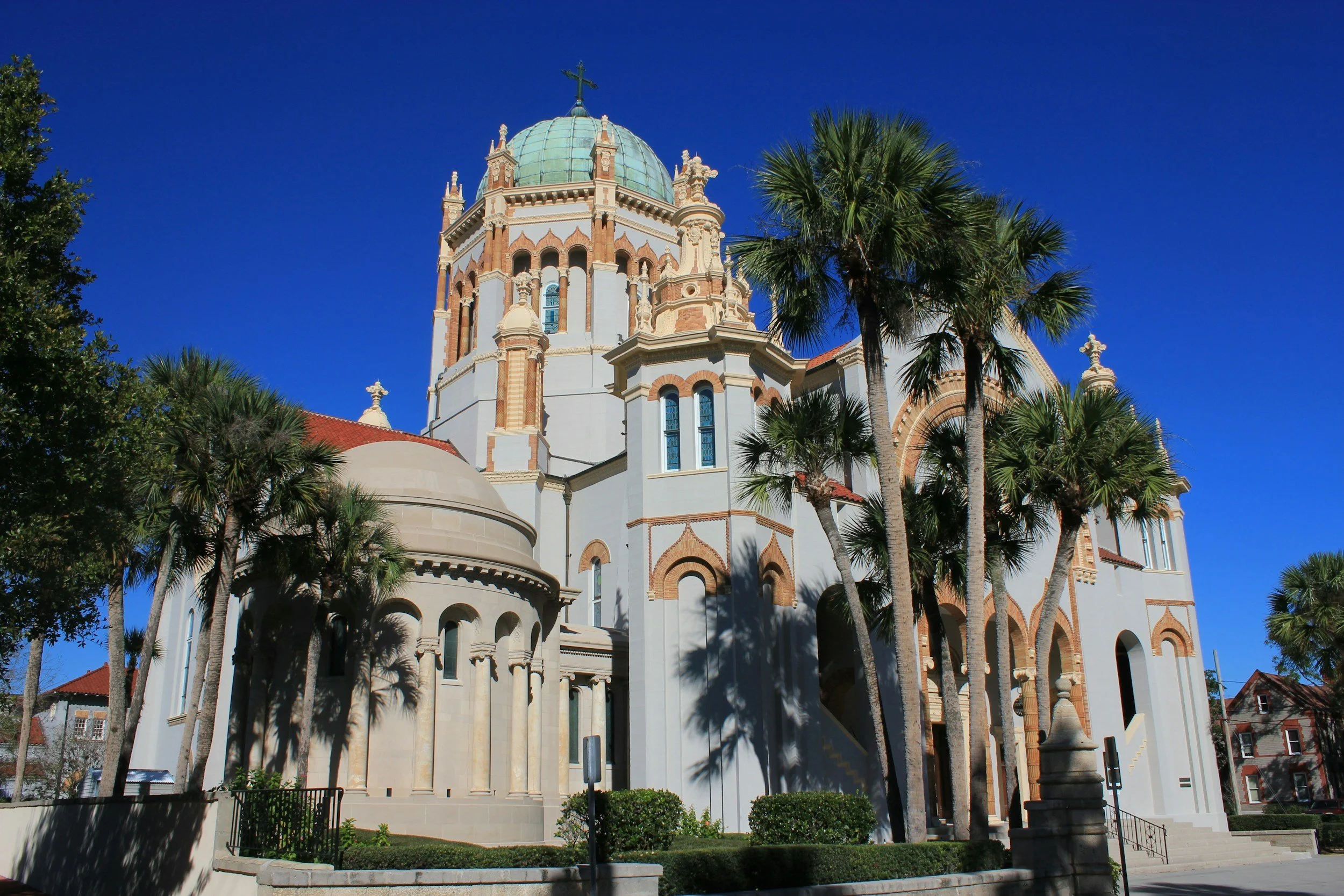
Image courtesy of Mr. Great Heart
How to Explore Multiculturalism and Enjoy the Region’s Best Food
Northeast Florida blends Southern traditions, African American heritage, and Hispanic and Asian influences. People from all walks of life have helped shape the area. St. Augustine is known for its Spanish roots from the 1500s, while Amelia Island highlights the history of the Timucua and other Indigenous peoples, as well as French, Spanish, and British settlers.
Deep Historical Roots
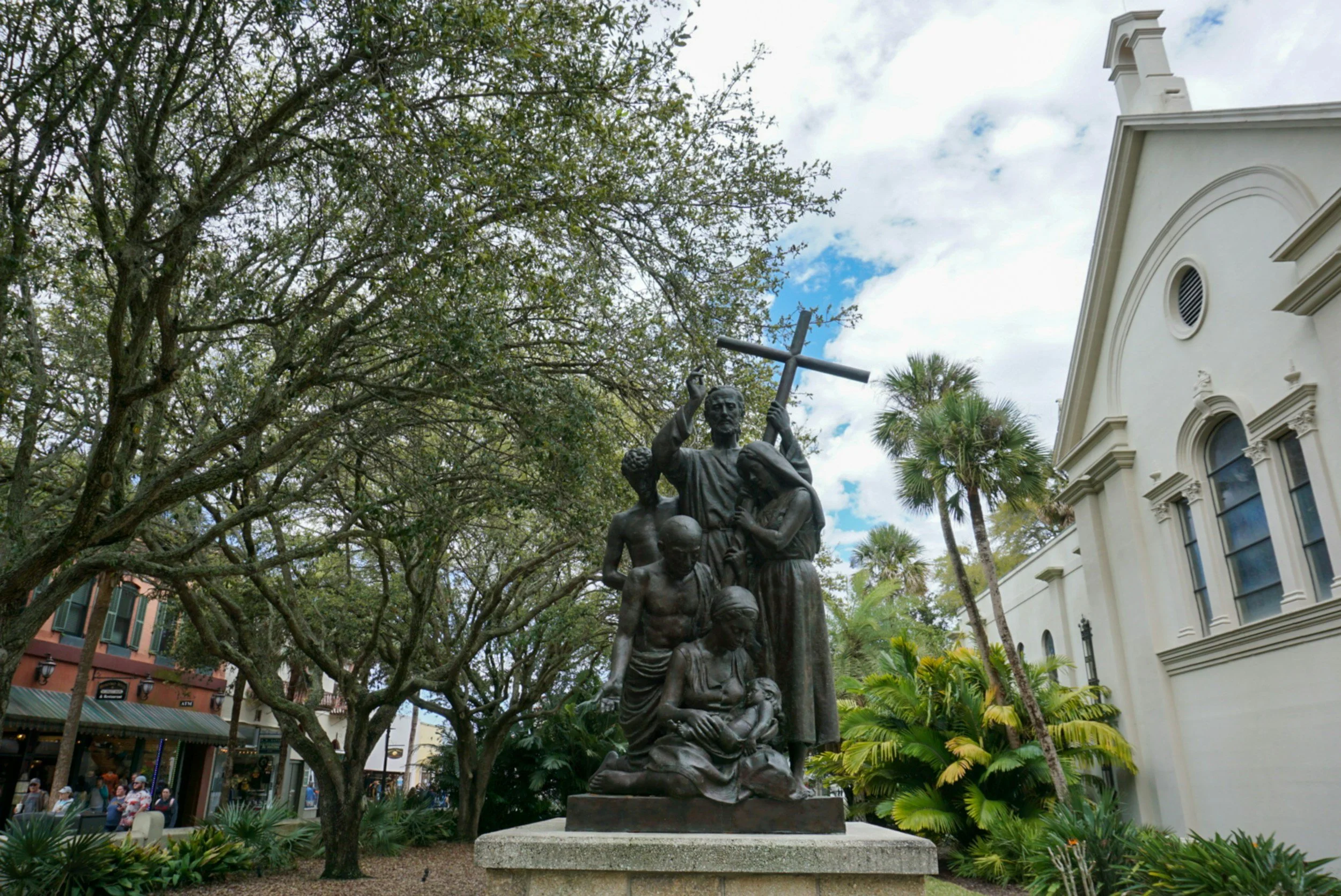
Image courtesy of Philip Davis
Northeast Florida’s history dates back over 10,000 years, beginning with Indigenous groups such as the Timucua, Mocama, and Guale. St. Augustine became the first permanent European settlement in the U.S. when the Spanish arrived in 1565. Over time, Amelia Island and Fernandina Beach were ruled by eight different nations.
Rich Indigenous Heritage
Indigenous people lived here for more than 10,000 years before Europeans arrived. They left behind shell middens—piles of shells, animal bones, and tools—that show what they ate and how they lived. These remains help us learn about their diets, the environment, and daily life in the past.
European Roots in St. Augustine
Juan Ponce de Leon landed near St. Augustine in 1513 and named the area “La Florida.” St. Augustine is the oldest continuously occupied European-established settlement in the United States. The region became a battleground for European powers like the French, Spanish, and British. These rivalries led to the area changing hands several times between 1763 and 1819.
Unique Experience of Fernandina Beach
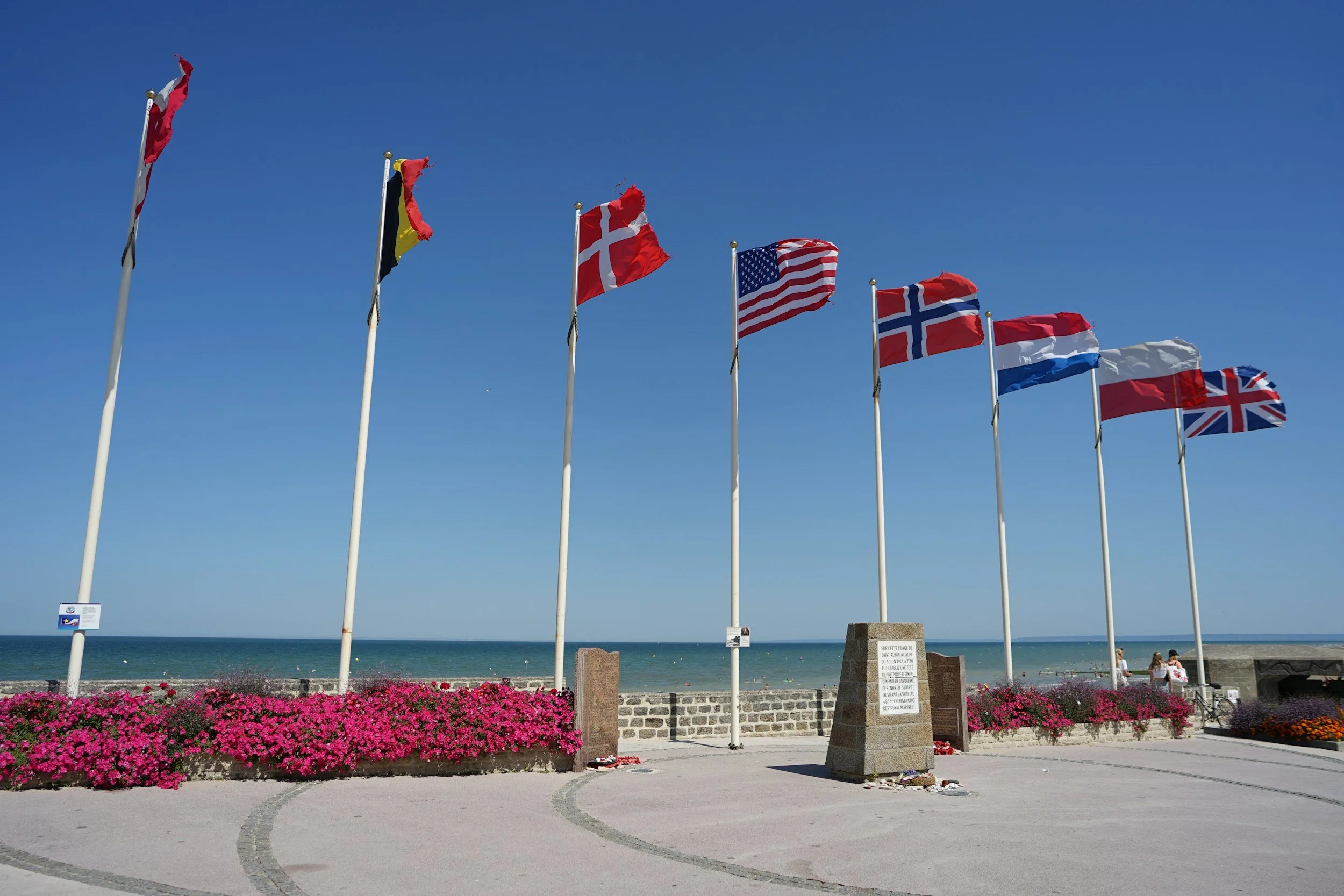
Image courtesy of Henri Buenen
Amelia Island was ruled by eight flags: French, Spanish, British, Patriot, Green Cross, Mexican, Confederate, and U.S. It was once known for smuggling and later became a railroad hub under David Yulee, known as the Father of Florida Statehood. After the Civil War, the area shifted from plantations to tourism and, in places like Fernandina and Mayport, a thriving shrimping industry.
Enormous Cultural Legacy
The area still has a strong multicultural identity and a rich African American history, shaped by free black people and black Seminoles. Today, you can see this history at places like the Castillo de San Marco in St. Augustine, historic buildings in Fernandina Beach, and archaeological sites that reveal thousands of years of human life.
Multicultural Dining Options
Northeast Florida offers many multicultural dining choices. In St. Augustine and Amelia Island, you can try authentic Spanish and German restaurants, Asian street food with bold flavors, Caribbean seafood dishes, and delicious Peruvian cuisine.
Top Food Events and Markets
Image courtesy of Kenny Gaines
The area is well known for its food festivals and markets. The Spanish Food and Wine Festival takes place every year to celebrate Spanish culture and food, featuring tapas and wine. The St. Augustine Food + Wine Festival is another big event that brings together local and celebrity chefs. Another essential festival is the St. Augustine Greek Festival, an annual cultural event at the Holy Trinity that features authentic Greek food, pastries, music, dancing, and a marketplace with crafts and gifts. If you like dishes like lamb, moussaka, gyros, or souvlaki, then the Greek Festival is the place to be. Pastries such as baklava and melomakarona will sweeten your day, and live Greek music and traditional folk dancing will lighten it. Finally, the Gulla Geechee Festival is a free, family-friendly event that honors 450-plus years of African traditions with live music, dance, food, and crafts. The purpose of the festival is to support the SEA Community Help Resource Center, which helps with local food, clothing, and school supplies.
Historic Places to Visit
There are many historic forts and monuments to explore in the area, and Fort Clinch State Park is a must-see. This 19th-century brick fortress was started in 1847 as part of the Third System of coastal defense. It is very well-preserved and offers daily living history reenactments. The historic district in Fernandina Beach covers 50 blocks and features Victorian-era architecture, including the Palace Saloon (Florida’s oldest bar, founded in 1903) and the Lesesne House, built in 1860. The Amelia Island Lighthouse, finished in 1838, is Florida’s oldest lighthouse and still serves as a navigational aid. The area’s history includes ancient Indigenous settlements, early European conflicts, and 19th-century plantations. Kingsley Plantation, in the Timucuan Preserve, has the oldest standing plantation house in Florida and preserved slave cabins. Fort Caroline National Memorial marks the site of a 16th-century French Huguenot settlement, the first time European nations fought for control of land in what is now the U.S.
Regional Foods in Northeast Florida
Image courtesy of Elevate
The regional foods here are influenced by Minorcan, Gullah Geechee, and Southern traditions, with dishes like Datil pepper dishes, fresh seafood, and unique local sandwiches. Favorites include spicy Minorcan clam chowder, smoked mullet dip, garlic crabs, and the pita-based “Camel Rider” sandwich. The most famous is Minorcan clam chowder, a spicy tomato-based soup made with local sweet and hot Datil peppers. Datil pepper products also appear in sauces, jellies, and mustards, often served with seafood. Smoked mullet dip is a popular appetizer made with smoky, flaky mullet. Don’t miss fresh seafood like local oysters, shrimp, and fried gator tail for a real taste of Northeast Florida.
Cultural Festivals Celebrating Multiculturalism
Northeast Florida hosts a wide range of cultural celebrations, from international heritage festivals to long-standing local traditions in cities like St. Augustine and Amelia Island. The St. Augustine Celtic Music and Heritage Festival celebrates the city’s Celtic roots with international bands and highland games. Unidos en la Musica is a lively Latin American festival with music, dance, and authentic food. Local food festivals also make the area special, like the St. Augustine Lions Seafood Festival, which features fresh seafood and live entertainment, and the Cabbage, Potato, and Bacon Festival, a unique celebration of local farming.
Timoti’s Seafood Shak Embraces a Multicultural Identity
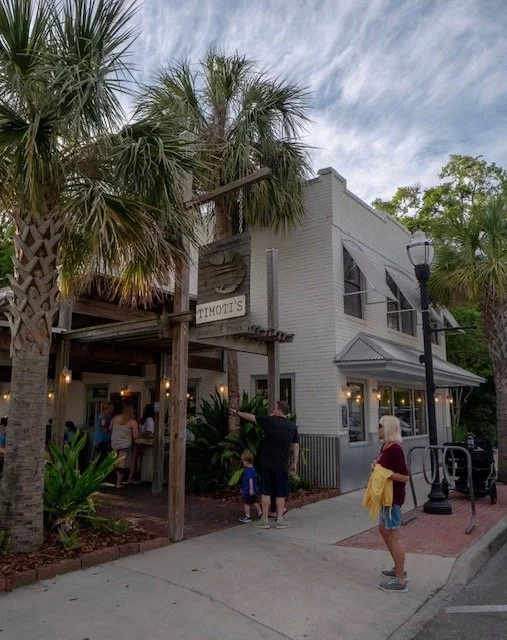
Rooted in both its history and menu, Timoti’s Seafood Shak is located in the center of the American shrimping industry. Visit us to experience a sense of community and enjoy Pacific Rim, Latin American, and French Acadian menu staples.