Why are Salt Marshes so Important to North Florida?
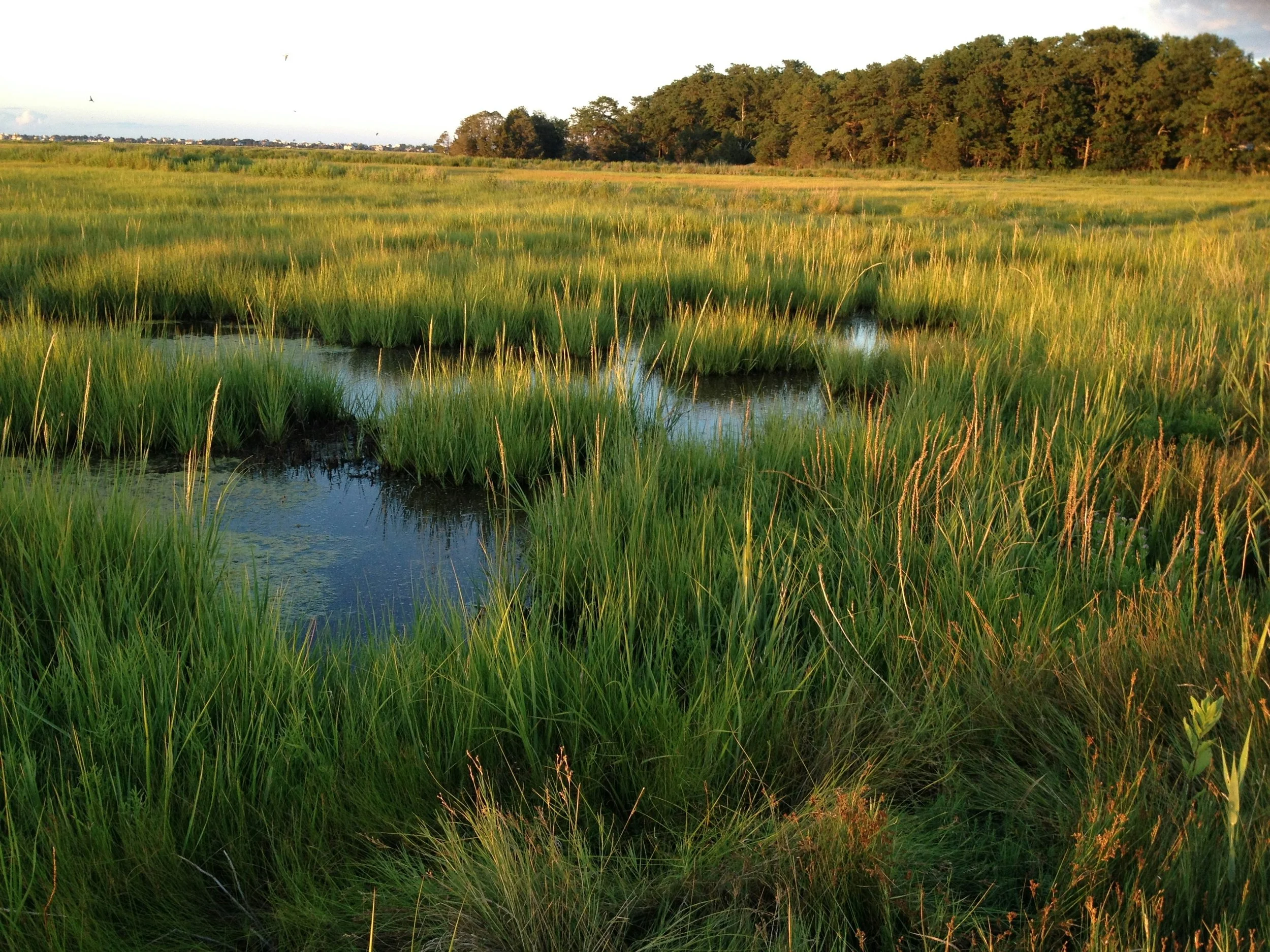
Image Courtesy of JD Doyle / Unsplash
The Salt Marsh’s Vital Role in Florida’s Ecosystem
The US has nearly 4 million acres of salt marshes, with the large majority of them being concentrated in the southeastern states. Florida is home to a massive interconnected stretch that spans about 1 million acres all the way up to North Carolina. So, the question is: what makes them so valuable?
If you don’t know how salt marshes work, it is easy to underestimate their power. They essentially look like muddy, grassy, or shrubby areas that constantly flood and then drain multiple times a day. How could that ever changing environment provide any kind of benefits? As it turns out, salt marshes and their tidal ranges are vitally important to Florida’s natural ecosystem. They support animal and vegetative populations, provide protection from weather events, and are great at carbon sequestration. Without them, Florida simply wouldn’t be the same, and we certainly wouldn’t be able to eat our favorite local fresh catches.
A Safe Haven for Animals
Salt marshes are most often part of estuarine habitats. Estuaries are highly dynamic environments where salt water and fresh water meet to form brackish water. These areas act as nurseries and homes for thousands of fish, crustaceans, shellfish, and bird species.
The tall grasses of salt marshes give smaller fish protection from larger, predatory fish, while still allowing them access to plenty of food. The tidal rhythm that marshes are known for is a welcome retreat from the harsh waves and currents of larger bodies of water. These characteristics are what make salt marshes such a favorite spot for fish to hangout. Over 70% of commercially and recreationally important aquatic organisms depend on these salt marshes and the estuaries that support them.
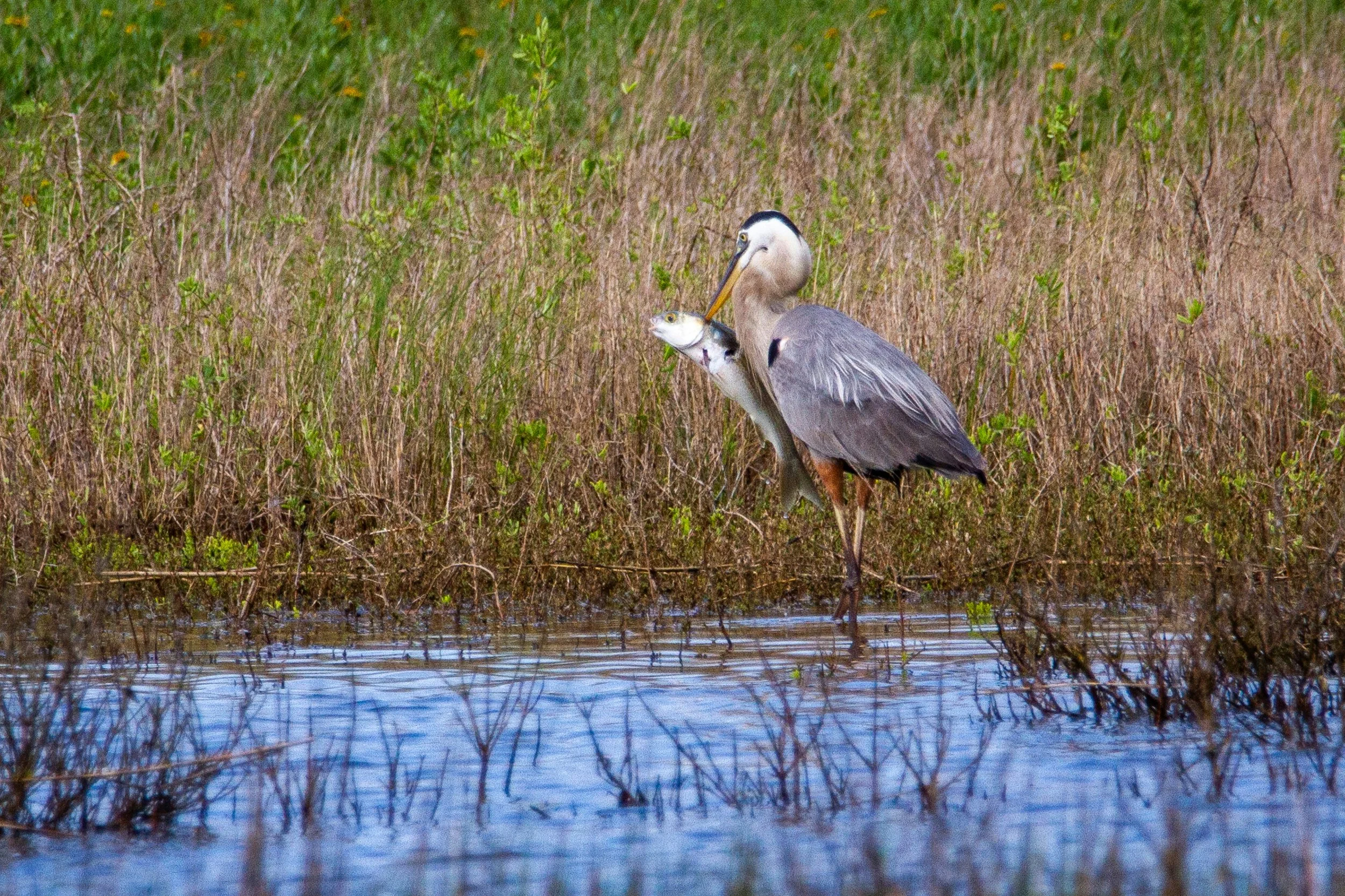
Image Courtesy of Joshua J. Cotten / Unsplash
A Natural Storm Buffer
Salt marshes play a major role in preventing storm damage and shoreline erosion. The National Oceanic and Atmospheric Administration states that the storm protection services provided by salt marshes are valued at over $23 billion each year! Other studies report that these areas provide $695,000 of value per square mile during storms.
Their value comes from the ability of the deep mud and thick root systems to act as a buffer for intense waves, flooding, king tides, and storm surges. They are able to slow down incoming water and trap sediment before it reaches the shore where it could have disastrous effects. Without salt marshes, the coast would be much more vulnerable to severe weather events.
As Floridians, we’re used to buying sandbags in bulk to prepare our houses and businesses for hurricane season. Salt marshes can be thought of as the naturally occurring sandbags of the coast!
A Powerful Water Filter
The dense mud, roots, and stems also act as a carbon sink and a filter for pollutants. It has been reported that salt marshes can store and sequester carbon at a rate 10 times that of tropical forests! They do this through trapping, absorbing, and neutralizing excess nutrients and chemicals that come from offshore waters or land runoff. Once these particles are trapped, they are often broken down into plant matter for food for various animals. This contributes to the well-balanced circle of life in estuaries, and it helps surrounding waterways and communities stay clean at the same time.
The Salt Marsh’s Lasting Impact on the Sunshine State
Without a doubt, salt marshes play a crucial role in Florida’s marine and land ecosystems. Unfortunately, their value hasn’t always been recognized, which allowed for the destruction of large portions of these areas for decades in the name of coastal development. Now that you know a bit about their value, you can stand up against efforts that harm our beloved salt marshes.
If you’d like to find out firsthand why we love and appreciate salt marshes so much, come on down to Timoti’s Seafood Shak for some delicious wild-caught seafood!