Seaweed Health Benefits and Environmental Role

Timoti’s Seaweed Salad
Seaweed Is a Super Hero of the Sea
Many people think of seaweed as slimy leaves washed up along the shores. While many people overlook this slippery plant, there is a place for this underrated superstar, whether that be in the natural world or on your dinner plate. From nutritional value to ecological contributions, seaweed is something not to dismiss; it is a powerhouse in disguise.
What is Seaweed?
Seaweed is the common name for marine algae. There are thousands of seaweed species that can grow in various bodies of water, such as lakes, oceans, and rivers. This marine algae can range from being microscopic, like phytoplankton, to as large as underwater forests. Different kinds of seaweed are often categorized by their pigmentation, the most common being: green, red, brown, and black algae.

Image Courtesy of Ben Wicks
Seaweed Environmental Capabilities
While seaweed may not seem like much, it has extraordinary capabilities such as storing carbon and reducing the carbon footprint worldwide. Algae absorb carbon during photosynthesis, decreasing greenhouse gases. As a result, seaweed and algae act as a natural water filter. They are highly adaptable and can live in freshwater, seawater, and even wastewater.
According to the US EPA, agriculture is responsible for 10% of the greenhouse gas emissions in 2022. However, seaweed farming produces a low carbon footprint compared to traditional land farming. Seaweed grows at a fast rate, allowing the algae to be harvested frequently and provides another sustainable food source.
Plastics are another contributor to the rise of the carbon footprint, in addition to waste pollution in the ocean. Some research suggests seaweed could also be a substitute for plastic material. This would be possible due to the chemical make up of algae.

Image Courtesy of Bryan Yurosits
Economic Growth
Seaweed can produce economic opportunities for coastal regions by harvesting and improving local economies. The algae can be used as plant and garden fertilizer through various methods like compost, seaweed infused water and more. They can not only be beneficial to agriculture but organic components for skincare products, toothpaste, and even act as a compound in binding agents.
Nutritional Benefits of Seaweed
Timioti’s offers seaweed on the menu! Check out the seaweed salad as a side for your meal. Seaweed has impressive nutritional value and has been incorporated into many Asian diets. There are over 145 species of edible seaweed. Algae is high in nutrients, protein, vitamins, and minerals. It is also a good source of iodine. Many seaweeds have over 3 different vitamins such as vitamin A, C, and E. Because of these properties, seaweed can help reduce heart disease risks, consisting of fiber and nutrients that counteracts high cholesterol. It is also a source of antioxidants and promotes gut health. The list goes on and on of positives of incorporating seaweed into your diet.
What To Be Mindful of When Eating Seaweed
While there are many pros to eating seaweed, there are some things to keep in mind when consuming it. Some kinds of seaweed have high quantities of metals like arsenic, lead, and cadmium. If eaten in large quantities consistently it can lead to health problems.
Seaweed For The Win!
Sustainable, healthy, and resourceful, seaweed truly takes center stage as one of the most versatile organisms. Seaweed can help benefit not only our individual health, but the water systems, environment, and battle climate change. It is time to give seaweed the spotlight it deserves.
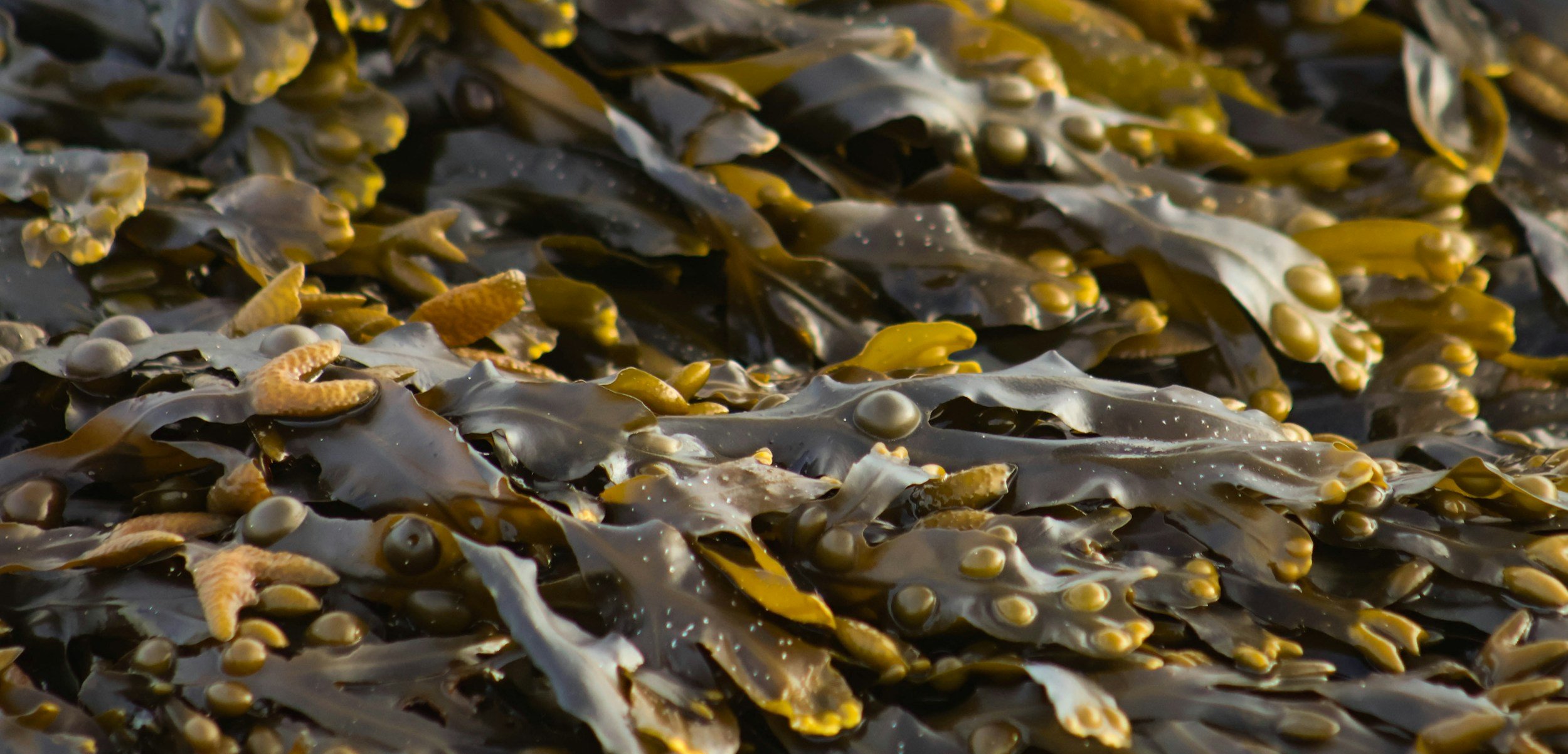
Image Courtesy of Levesley
Boost Your Diet at Timoti’s
Next time you see seaweed, give it your thanks, then stop by Timoti’s Seafood Shak and add some seaweed to your diet. Timoti’s offers a seaweed salad and a poke bowl that includes avocado, seaweed, and more!