How Aquaculture is Changing the Seafood Industry
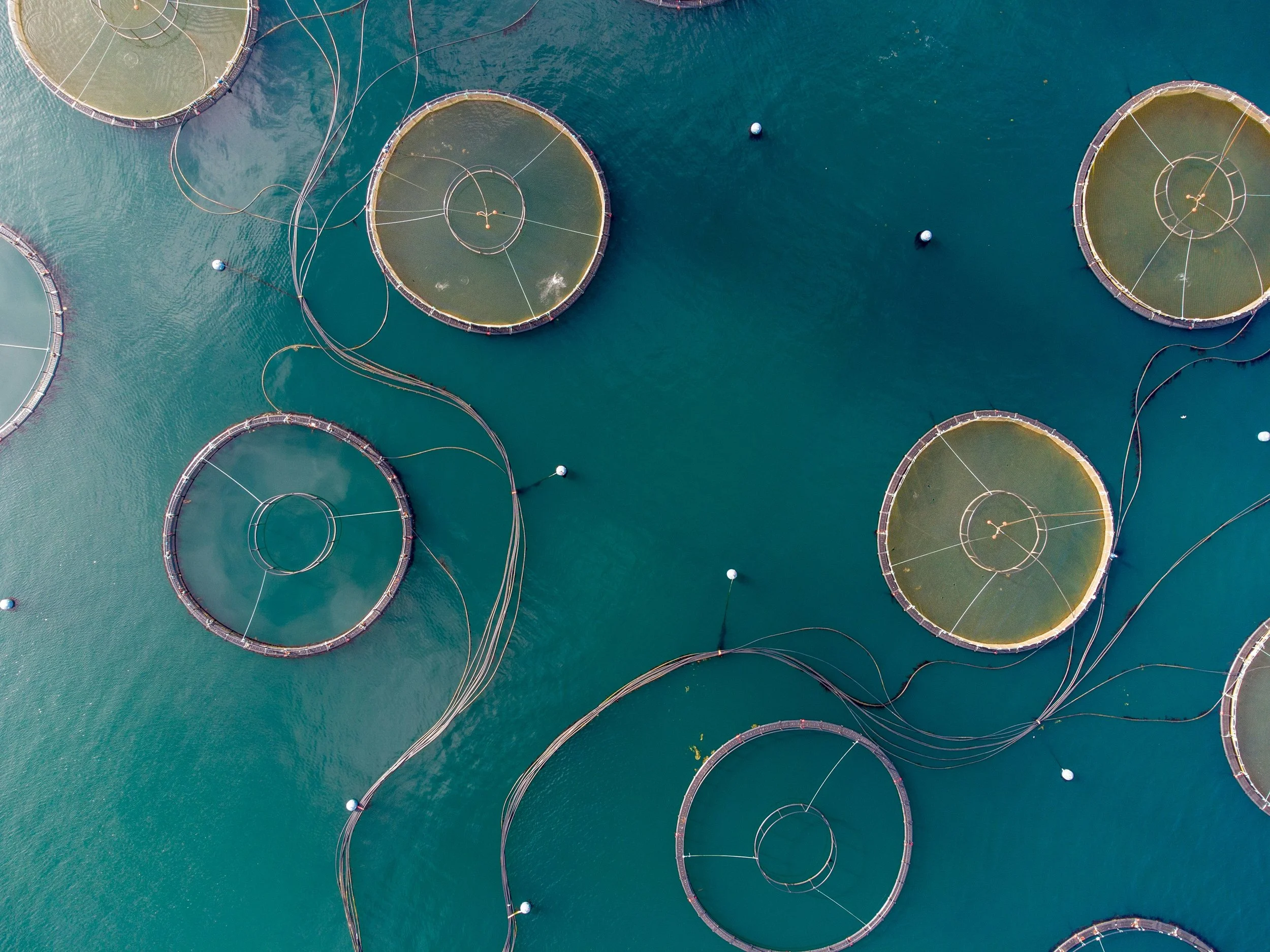
Image Courtesy of Bob Brewer | Unsplash
Why the World Needs Aquaculture
In recent decades, there has been a rising interest in health-conscious lifestyles due to various scientific and medical discoveries. Large numbers of people in the US now practice some sort of restricted eating plan such as gluten-free, dairy-free, or vegetarianism. This increased interest in leading a healthier lifestyle has also brought about the popularity of fish-based diets like pescatarian and Mediterranean options. On top of this, the US population grows more and more every year.
This means that the consumption of seafood has steadily increased. In 1990, the US per capita consumption of seafood products was around 15 pounds per person. By 2022, that number grew to be over 20 pounds per person.

Chart Courtesy of the USDA’s Aquaculture Information Page
Environmental concerns have highlighted the fact that our oceans and wild fisheries can only produce so much. The world needs a solution to sustainability and food security issues, and aquaculture is the answer. When done correctly, aquaculture makes the seafood industry safer and more sustainable for both us and our planet.
What is Aquaculture?
Aquaculture is defined by the National Oceanic and Atmospheric Administration (NOAA) as “the breeding, rearing, and harvesting of fish, shellfish, algae, and other organisms in all types of water environments.” In simple terms, it is the agriculture industry, just with fish and oysters instead of cows and corn.
The farming of aquatic plants and animals allows for the harvest of seafood without depleting natural populations, therefore sustaining those wild fisheries for recreation, sport, and sustenance fishing (three things that are very important to us here in northeast Florida!). For those stocks that have previously been overfished, aquaculture gives them an opportunity to be restored and preserved. The industry also protects marine habitats by reducing bycatch and minimizing the amount of intrusion from large boats and professional gear.
Aquaculture can be split up into two main categories: freshwater and marine.
Freshwater species include fish such as catfish and trout and crustaceans like crawfish.
Marine species include organisms such as oysters, shrimp, mussels, clams, salmon, and cobia.
When you think of aquaculture, you most likely think of seafood. After all, that is what we are discussing! However, in both freshwater and marine cultivation, there are a variety of products made from the plants and animals. In addition to food for human consumption, these products include baitfish, ornamental fish (think aquariums!), aquatic plants, and more.
A few fun facts about the aquaculture industry:
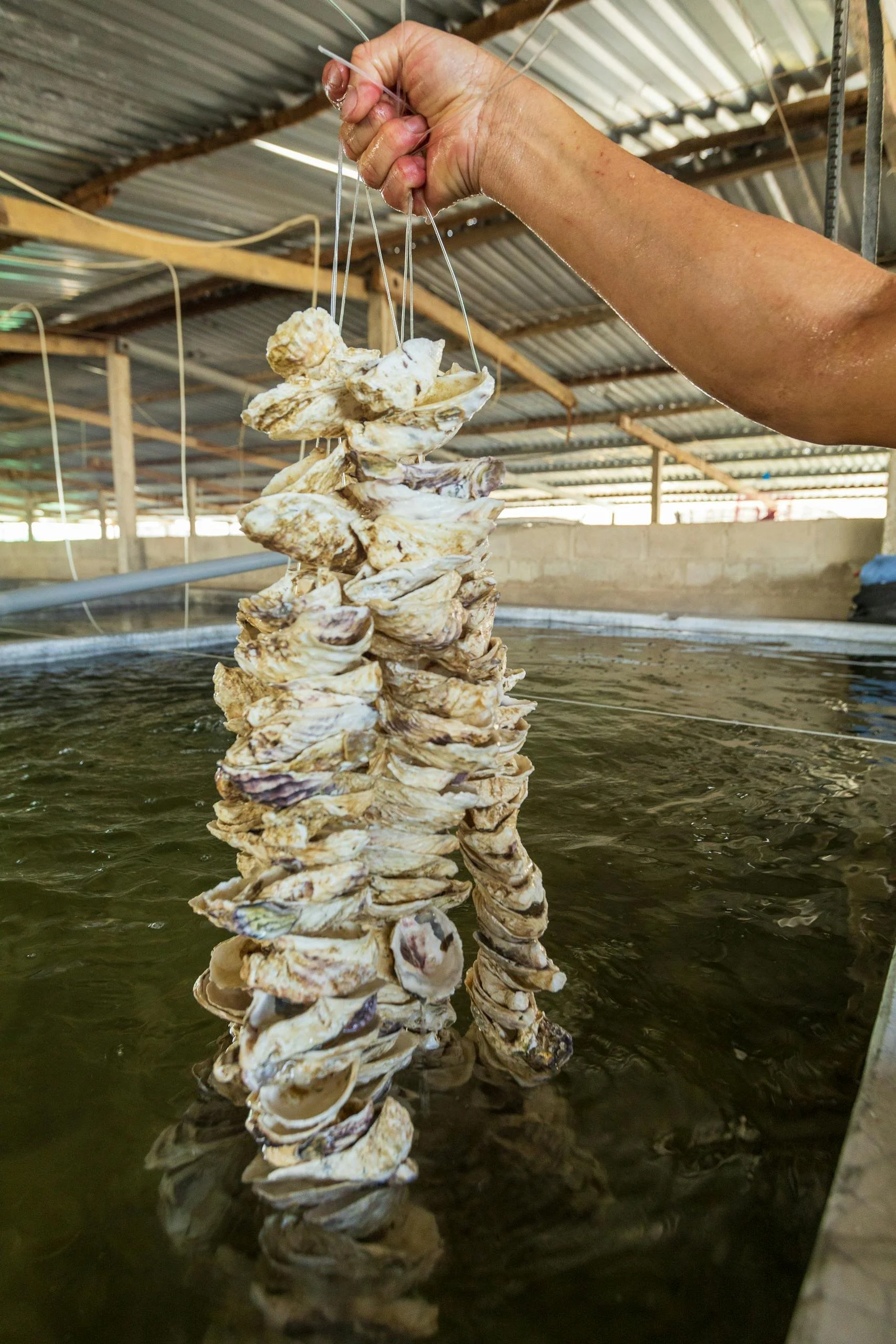
Image Courtesy of Serg Alesenko | Pexels
Over 50% of all seafood we eat comes from farms (University of Florida)
The US imports more seafood than we produce (US Food & Drug Administration)
It is the fastest growing form of food production in the world (US Dept. of Commerce)
Florida is one of the nation’s leading states in terms of research, number of farms, and sales value (US Dept. of Agriculture)
How Does Aquaculture Work?
When it comes to farming aquatic organisms, there are a number of reliable methods, and the chosen method depends on what is being farmed. Some of the most common practices are:
Land-based ponds. Ponds are used for crawfish and freshwater catfish primarily, as they resemble the animals’ natural habitat very closely.
Offshore cages or netpens. Offshore cultivation is common with larger, pelagic species like cobia that need additional room to swim around.
Tank recirculating systems. Tanks are extremely common for ornamental fish, salmon, and other species that require a lot of attention.
Inshore suspension or seabeds. These methods are employed in relatively shallow estuaries for bivalve production (oysters, clams, mussels, etc.).
Is Aquaculture Safe?
Like traditional land-based agriculture, aquaculture needs rules, guidelines, and best practices. Over the years, researchers, farmers, and legislators have worked to develop regulations that ensure safe and healthy products and environments. The FDA holds farmed fish and shellfish to the exact same standards as wild-caught products to maintain a high level of quality and consistency. The US marine aquaculture industry specifically has “one of the most comprehensive regulatory environments in the world” according to NOAA. These stringent regulations are put into action through highly controlled water quality, regimented feeding, and constant attention and oversight.
Aquaculture systems often have 24/7 monitoring, and with modern technology, many farmers are able to check in and modify operations remotely. For example, if a tank’s pH or oxygen level gets slightly too high or low, there are things that can be done to remedy the situation quickly. If anything urgent comes up, there is typically someone who lives onsite to handle emergencies at all hours. Keep this in mind the next time you are debating wild-caught versus farmed seafood!
Aquaculture is Affecting the Seafood Industry
When looking at the aquaculture industry through the lens of the seafood industry, there are three major benefits: improved food security, year round supply, and stabilized pricing. Therefore, Timoti’s Seafood Shak will begin exploring more of these options in our quest to be as sustainable as possible.